So Just Why Is Landscape Architecture More Than Just Re-decorating Outdoor Spaces?
Landscape architecture is commonly misconstrued as merely preparing plants and building gardens. Nevertheless, this multifaceted career expands much past surface looks. It is a discipline that blends art, scientific research, and environmental stewardship to create spaces that are not just visually striking however additionally functional, sustainable, and for community well-being. The inquiry then emerges: why is landscape architecture more than simply creating exterior rooms? The solution lies in the depth of its impact, ranging from urban planning and environmental management to social cohesion and cultural expression.
At its core, landscape architecture includes the tactical preparation and style of outside locations, integrating natural elements like water, vegetation, and topography together with built features such as pathways, seating, and leisure facilities. Yet, the practice is not almost preparing physical components— it is about shaping just how individuals interact with those spaces. Whether it is a bustling city park, a calm property yard, or a refurbished industrial website, landscape design ers consider how each aspect influences human experience and ecological influence.
One of the main purposes of landscape architecture is to foster lasting and environmentally accountable styles. As cities increase and green areas reduce, the demand for lasting outdoor planning comes to be extra urgent. Landscape designers approach layout with a keen understanding of environmental dynamics, carrying out strategies that alleviate the unfavorable impacts of urbanization. This may include picking drought-resistant plants to conserve water, developing permeable surfaces to manage stormwater runoff, or integrating indigenous vegetation to recover regional biodiversity. In seaside or flood-prone areas, they may establish resistant landscapes that buffer versus all-natural catastrophes, incorporating features such as wetlands, levees, or rain yards that take in excess water and lower disintegration.
In addition, landscape architects play an essential function in resolving environment change through lasting layout. By incorporating environment-friendly roofs, vertical gardens, and urban forests, they help in reducing urban heat islands, lower building temperatures, and enhance air quality. The strategic positioning of trees and shade frameworks can likewise lessen power usage by regulating temperature levels, hence adding to overall environmental sustainability. These efforts prolong past private sites, impacting entire neighborhoods, cities, and environments.
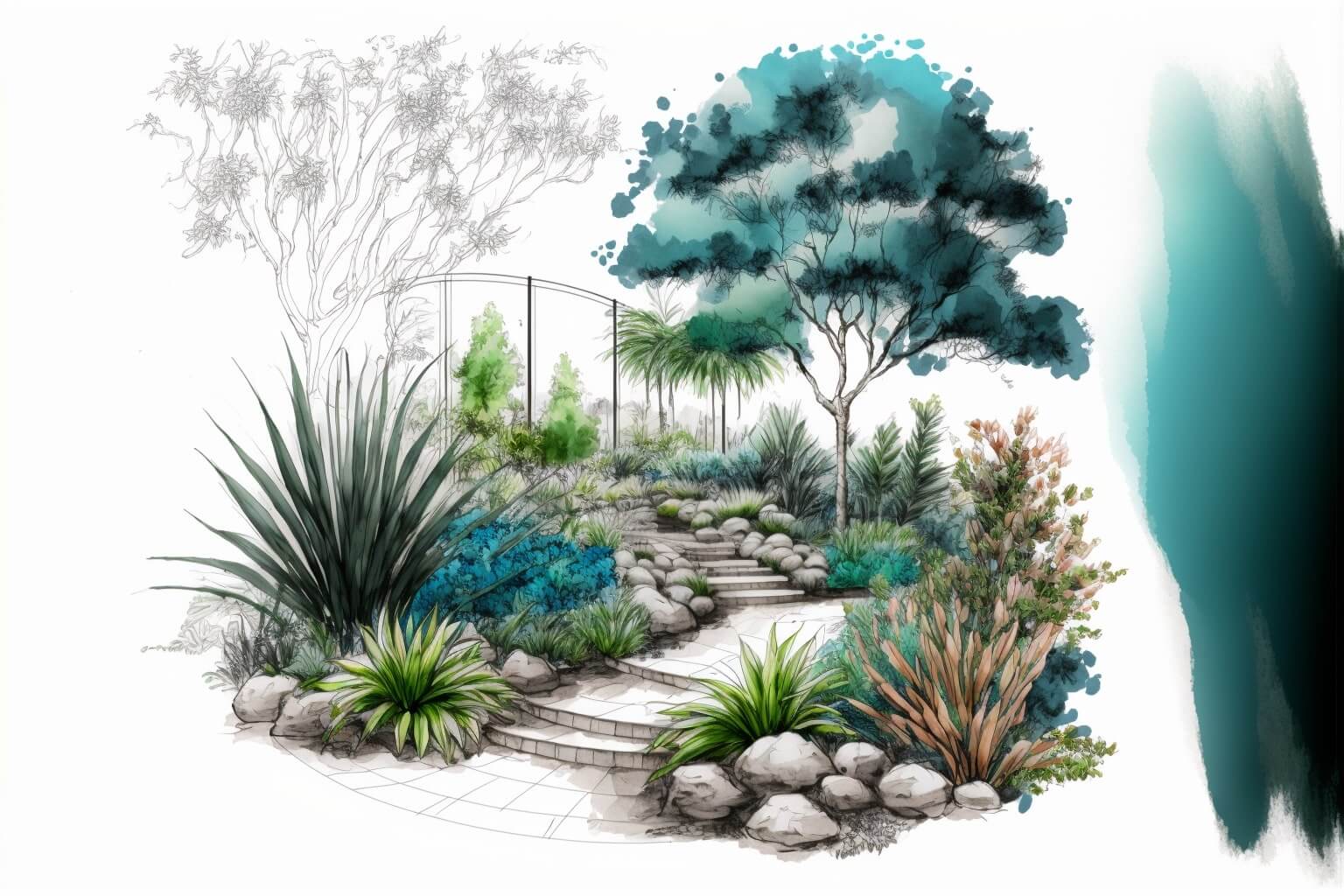 Past environmental problems, landscape architecture exceptionally affects public health and social wellness. Study has consistently shown that accessibility to environment-friendly spaces is linked to decreased anxiety, boosted psychological health, and increased physical activity. Landscape engineers are increasingly focused on creating comprehensive, obtainable rooms that advertise health and wellness and wellness. They design parks with walking courses, biking courses, and exercise areas to encourage energetic way of lives. They also incorporate sensory gardens and peaceful seating locations that supply restorative environments for people looking for haven from city stress factors.
Furthermore, landscape architecture fosters social communication and neighborhood communication. Public parks, plazas, and entertainment rooms are not just physical areas— they are communal gathering areas where individuals link, engage, and type social bonds. The thoughtful layout of these areas considers the flow of pedestrian website traffic, the availability of seats, the placement of services, and the assimilation of art and social components. By creating comprehensive settings that invite varied groups, landscape architects contribute to even more natural, lively areas.
Cultural and historical considerations also play a crucial role in landscape architecture. Every site has a background, a narrative that can be preserved, analyzed, or reimagined via design. Landscape engineers often function carefully with regional communities to understand the cultural relevance of a website and incorporate those elements right into the final style. This might include protecting historical trees, restoring building spots, or incorporating public art that shows the cultural identification of the location. Such jobs not only recognize the past however also create areas that foster a sense of place and belonging.
Along with cultural and historical considerations, the art of landscape architecture lies in its capability to evoke psychological feedbacks. The interaction of light, darkness, structure, and shade can change a space, eliciting feelings of calmness, wonder, or consideration. A well-designed park can provide a haven of peace in the middle of the disorder of city life, while a dynamic metropolitan plaza can share power and exhilaration. Landscape architects are, fundamentally, spatial authors, utilizing natural and built aspects to craft immersive experiences that resonate with site visitors on numerous levels.
 Economic considerations are also a driving force behind landscape architecture. Properly designed outside spaces can significantly boost home values, draw in tourism, and promote economic growth. Urban parks, waterfront boardwalks, and rejuvenated industrial sites typically come to be focal points for area events, bring in businesses and site visitors. Landscape engineers strategically intend these areas to balance visual appeals and performance, making certain that they not just draw individuals in but likewise serve practical objectives such as stormwater administration, pedestrian circulation, and transport access.
Technology and advancement have more expanded the possibilities of landscape architecture. Advanced modeling software enables engineers to picture complex designs in 3D, mimic ecological influences, and improve plans with precision. Digital mapping tools allow the analysis of topography, hydrology, and greenery patterns, causing more enlightened decision-making. Sustainable products, such as recycled pavers and absorptive concrete, are now important to numerous projects, reducing the environmental footprint while enhancing longevity and aesthetics.
In spite of its varied and far-ranging effect, landscape architecture is not without its challenges. Urbanization continues to encroach upon green spaces, leading to problems in between advancement and preservation. Climate modification heightens the demand for durable, flexible designs that can hold up against extreme weather events. Budget restraints typically restrict the range of public jobs, forcing landscape designers to locate imaginative, cost-effective options that still supply on visual and practical goals. Moreover, stabilizing the rate of interests of different stakeholders— citizens, services, federal government companies, and environmental supporters— calls for remarkable settlement and communication skills.
Ultimately, the value of landscape architecture prolongs much past the plain plan of plants and pathways. It is a self-control that weaves together art, ecology, social characteristics, and urban planning to create areas that are not just aesthetically compelling however also socially meaningful and eco lasting. By forming the real world around us, landscape architects play a vital role in defining just how we live, work, and get in touch with nature and each other.